

Here at BC Turkey, we love the holiday season as much as the rest of you, but we’re equally passionate about turkey being an everyday choice when it comes to high-quality, lean protein. Full of micro- and macronutrients, every cut of turkey is the perfect way to combat seasonal flus and colds and provide your body with everything it needs to make the most out of your day.
This November, as we #GatherAroundBCTurkey for meals and snacks, search out different cuts and fresh, seasonal vegetables for a balanced and nutritious meal.

For more information, please visit canadianturkey.com.
DIFFERENT CUTS OF TURKEY
You might associate turkey with two big, annual feasts: Thanksgiving and Christmas Dinner. But turkey is more than that—it’s an everyday staple that deserves a spotlight in your weekly lineup. Its versatility and ability to pair with different flavour profiles means it is quick, tasty, and nutritious for any meal or snack, easily building into your roster as a go-to protein choice.
You can easily buy turkey scalopini, turkey tights, meatballs, sausages, meatloaf, drumletts, kebabs, and more. If your local grocery store doesn’t carry the cuts you’re looking for, take a moment and talk to your butcher. See what they can bring in for you and ways you can incorporate more lean protein into your diet. Simple tricks like cutting at the knuckle help bigger cuts become manageable and easy to cook with.

Recipe: Roasted Turkey Legs
COOKING TURKEY CUTS: THE PERFECT TEMPERATURE
Cooking times for various turkey cuts can vary depending on the temperature of the meat going into the oven, the oven’s thermostat accuracy, and how many times you open the door during cooking. For bone-in cuts like breasts, thighs, drumsticks, and wings, the ideal temperature should register at 165°F (74°C). Just make sure you insert the meat thermometer away from the bone and directly into the meat.
For boneless cuts like ground turkey, sausages, and hot dogs, you cook to an end-point internal temperature of 165°F (74°C), inserting deep into the meat.
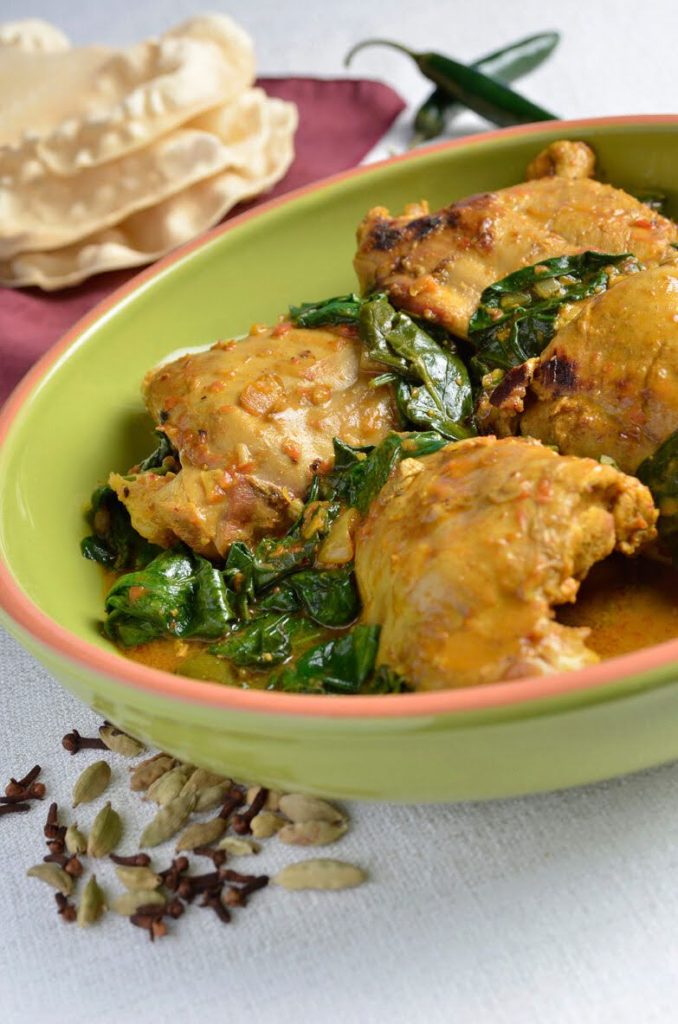
Recipe: Slow Cooker Curried Turkey Thighs
STORING DIFFERENT TURKEY CUTS: PRIORITIZE SAFETY
Turkey should never be left out at room temperature for longer than two hours. Once cooked, cold cuts and cooked turkey must be properly stored in a covered container, plastic bag, or aluminum foil and can remain in the fridge for four days and up to three months in the freezer.
Uncooked, fresh meat—to adhere to Health Canada’s recommendations—should be used within 2-3 days since your purchase. For the most exact information, follow the best-before dates on the packaging.
Frozen uncooked turkey cuts can be kept in the freezer for up to 6 months, and ground turkey can be frozen for up to 2-3 months. Once thawed, you must treat the turkey products like fresh and do not re-freeze unless you’ve properly cooked it.

Recipe: Teriyaki Turkey Wings
THAWING TURKEY: TWO DIFFERENT METHODS
There are two ways to safely thaw turkey: in the refrigerator or by using cold water, and then once thawed, cooked within 48 hours. Thawing meat by the microwave is an option, but should be handled with care and the meat cooked immediately.
Thawing turkey in the refrigerator—or any meat—is the safest method because it ensures your meat remains cold until completely defrosted. To do so safely, place your products on a bottom shelf in the fridge and allow 5 hours per pound (or 10 hours per kilogram).
When thawing turkey in cold water, keep the cuts in their packaging. Use a container that can cover the entire packaging with cold water, and change the water at least every hour. This method should take 1 hour of thawing per pound (or 2 hours per kilogram).

Recipe: Tandoori Turkey Drumsticks